
Институт морской геологии и геофизики
Дальневосточного отделения
Российской академии наук

25.03.2024
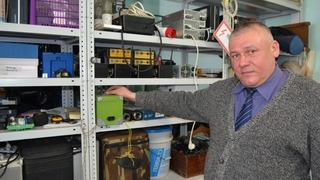
Страсть к электротехнике - интервью Ильи Дудченко "Губернским ведомостям"
Илья Дудченко — увлекающийся человек, который может говорить часами, кажется, обо всём на свете. Даже рассказ о трансформаторе у него не менее увлекателен, чем иное художественное произведение. Он не только интересный лектор и преподаватель, но и учёный, изобретатель, инженер, кандидат технических наук. Сейчас он руководит отделом исследования геофизических полей и физических свойств геоматериалов Института морской геологии и геофизики Дальневосточного отделения Российской академии наук (ИМГиГ ДВО РАН).
19.03.2024
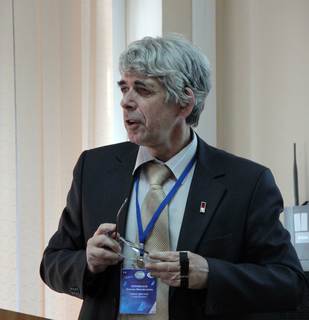
Готовность и предупреждение - интервью Леонида Богомолова "Российской газете"
Острова Сахалинской области - арена активной вулканической и сейсмической деятельности. Сейчас здесь выделяется более сотни вулканических построек, 36 из которых действующие, констатирует доктор физико-математических наук, директор Института морской геологии и геофизики ДВО РАН Леонид Богомолов. По словам ученого, извержения вулканов специалисты сегодня умеют предсказывать достаточно неплохо, в отличие от землетрясений. Однако и в этом направлении исследования ведутся довольно активно.
12.03.2024
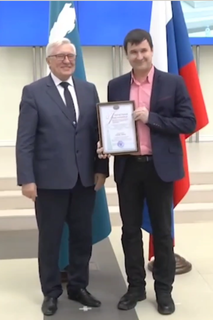
300-летие со дня образования РАН – о награждении и докладах сотрудников Института
Сотрудники Института получили награды и выступили с докладами в Правительстве Сахалинской области на торжественном заседании, посвящённом 300-летию РАН.

11.03.2024
Коллектив Института награждён Почётной грамотой ДВО РАН
Коллектив ИМГиГ ДВО РАН получил Почётную грамоту ДВО РАН за выдающиеся достижения в области фундаментальных и прикладных наук, верность академическим традициям и в связи с 300-летием Российской академии наук.
08.03.2024
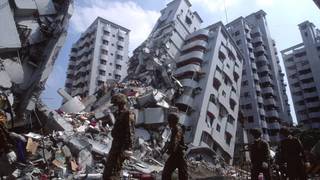
Геоэлектрические предвестники землетрясения - разрубить гордиев узел
В ИМГиГ ДВО РАН изучают возможность краткосрочного прогноза землетрясений с помощью стационарных систем электротеллурических измерений, не требующих размещения вдали от крупных населенных пунктов. Первые результаты внушают оптимизм.
Sakhalin Volcanic Eruptions Response Team (SVERT)
Сахалинская группа оперативного реагирования на вулканические извержения
